

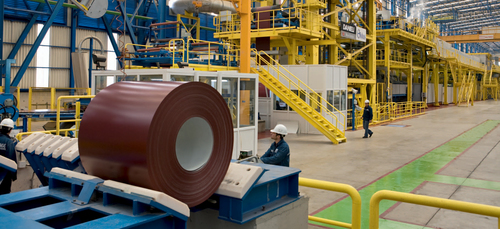
In steel manufacturing industries, consistent product quality depends not only on equipment design but also on proper maintenance and disciplined operation. Hot dip galvanizing is a continuous process where even small operational errors can affect coating quality, production stability, and equipment life.
A well-managed hot dip galvanizing line requires regular inspection routines, careful handling of materials, and strict adherence to operational procedures to ensure stable output and long-term reliability.
Table of Contents
ToggleImportance of Regular Maintenance in Galvanizing Operations
Maintenance is essential in preventing unexpected breakdowns and ensuring smooth production flow. Since galvanizing involves high temperatures, chemical solutions, and mechanical movement, equipment is exposed to continuous stress.
Proper maintenance helps:
- Extend equipment service life
- Maintain consistent coating quality
- Reduce production interruptions
- Improve safety conditions in the plant
Neglecting maintenance can lead to uneven coating, mechanical failure, or increased operational costs.
Entry Section Maintenance Practices
The entry section handles steel coils and feeding mechanisms. It must be kept in proper working condition to avoid misalignment and production delays.
Key maintenance activities include:
- Checking coil alignment systems
- Inspecting uncoiler tension controls
- Cleaning strip guiding rollers
- Lubricating moving parts
Smooth coil feeding ensures stable operation throughout the entire process.
Cleaning and Chemical Bath Care
The cleaning section plays a vital role in preparing steel for coating. Acid baths, rinsing units, and degreasing systems must be carefully monitored.
Operational Best Practices:
- Maintain correct acid concentration levels
- Replace chemical solutions at scheduled intervals
- Clean tanks regularly to avoid contamination
- Ensure proper ventilation in chemical areas
Poor chemical control can result in incomplete surface cleaning and weak zinc bonding.
Furnace Operation and Care
The furnace is one of the most critical components in the process. It requires careful temperature control and regular inspection to maintain stable performance.
Maintenance practices include:
- Inspecting burners and heating elements
- Cleaning internal furnace chambers
- Checking gas flow systems
- Monitoring temperature stability across zones
Consistent furnace operation ensures proper steel conditioning before coating.
Zinc Bath Maintenance
The molten zinc bath must be maintained in a clean and stable condition. Any impurities or temperature fluctuations can affect coating quality.
Key practices include:
- Removing dross and impurities regularly
- Monitoring zinc temperature levels
- Maintaining correct alloy composition
- Inspecting bath lining condition
Stable zinc bath conditions are essential for uniform coating formation.
Air Knife and Coating Control Care
Air knife systems regulate coating thickness and must be kept free from blockages or pressure inconsistencies.
Maintenance tasks include:
- Cleaning air nozzles
- Checking pressure balance
- Inspecting air supply systems
- Ensuring alignment with strip movement
Proper air knife operation ensures smooth and even zinc distribution.
Cooling and Finishing Section Maintenance
Cooling systems help stabilize the coated surface after galvanizing. Improper cooling can lead to surface defects or discoloration.
Best practices include:
- Cleaning cooling ducts and fans
- Monitoring cooling speed consistency
- Inspecting water or air circulation systems
- Checking finishing equipment alignment
These steps help maintain final product quality.
Routine Inspection and Monitoring
Regular inspection is essential for detecting early signs of wear or malfunction. Operators should follow scheduled checks for all major equipment sections.
Important inspection points include:
- Mechanical wear on rollers and guides
- Temperature consistency in key zones
- Chemical balance in treatment tanks
- Surface quality of finished steel
Timely detection helps prevent major breakdowns.
Operator Discipline and Training
Human operation plays a major role in maintaining process stability. Skilled operators ensure that equipment is used correctly and safely.
Recommended practices:
- Follow standard operating procedures strictly
- Record process parameters regularly
- Report irregularities immediately
- Maintain cleanliness around work areas
Proper training improves efficiency and reduces operational risks.
Safety Considerations in Galvanizing Operations
Due to high temperatures and chemical usage, safety is a critical part of maintenance practices.
Important safety measures include:
- Use of protective clothing and equipment
- Regular safety audits
- Proper handling of chemicals and molten zinc
- Emergency response readiness
A safe working environment supports stable long-term operation.
Conclusion
Maintenance and disciplined operation are essential for achieving consistent performance in steel coating production. Every section, from entry handling to finishing systems, requires regular care and attention to ensure reliable output.
A well-maintained hot dip galvanizing line not only improves product quality but also reduces downtime, extends equipment life, and ensures stable production efficiency across industrial applications.


